Is Tooth Prep Required Before Getting Veneers?
October 26, 2026
The part of getting veneers that makes most people hesitate is not the shade or the shape; it is the idea of a drill touching healthy teeth. Tooth prep is real, but it is also far more conservative than most patients picture, and knowing what actually happens during that step takes most of the worry out of it.
If you are weighing veneers in Charleston, SC, understanding prep first makes the rest of the decision much easier, and a routine exam is usually where that conversation starts.
Why Dentists Remove a Little Enamel First
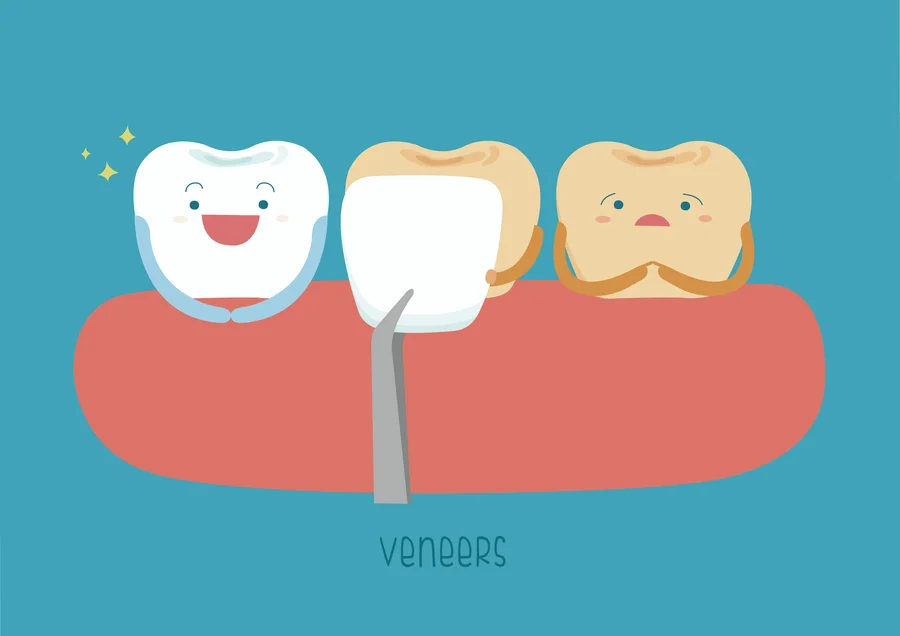
According to the American Dental Association, placing a veneer involves removing a small amount of enamel from the front and sides of the tooth, which is why the treatment is considered permanent rather than reversible.
That step exists for a practical reason: veneers need to sit flush with your natural bite, and skipping prep would leave teeth looking bulky or feeling awkward when you talk and chew. Anyone researching veneers in Charleston, SC, quickly runs into this question, since it is the one part of the process patients cannot simply opt out of.
Enamel does not behave like skin or bone. Research from the National Institute of Dental and Craniofacial Research notes that once enamel is damaged, it cannot heal itself as other tissues can, because the cells that originally formed it are gone by the time a tooth erupts.
That is exactly why a dentist removes only the thinnest layer necessary, often less than half a millimeter for porcelain, rather than taking a one-size-fits-all approach to every smile that walks through the door.
Does Tooth Prep Hurt?
Most patients are surprised by how mild prep feels. Local numbing is typically used before any enamel is touched, and because enamel has no nerve endings, the sensation during shaping is minimal. Mild soreness around the gum line can show up for a day or two afterward, similar to what you might feel after a routine exam, and over-the-counter pain relief usually handles it. Sensitivity to hot or cold is also common for a short stretch while your temporary veneers are in place, and it typically fades once the permanent set is bonded in place.
What a Typical Prep Appointment Looks Like
- A visual exam and X-rays to confirm the tooth is healthy enough for a veneer
- Shade matching so the new veneer blends with your surrounding teeth
- Light enamel reduction, usually a fraction of a millimeter
- An impression of the prepared tooth is sent to a dental lab
- A temporary veneer worn while your permanent one is crafted
Porcelain Versus Composite: Not the Same Amount of Prep
Porcelain and composite veneers are not interchangeable in terms of the amount of enamel that must be removed. Porcelain is thicker and more durable, so it generally calls for a bit more reduction to sit properly. Composite veneers can often be bonded with little to no enamel removal because the material is built up directly on the tooth.
That difference is worth discussing with your dentist before choosing between veneers in Charleston, SC, since a thinner prep can mean a faster appointment but a shorter lifespan for the final result.
If your main goal is to cover stains that teeth whitening cannot lift, your dentist can walk you through which veneer option best preserves the most natural tooth structure and how that compares to the heavier reduction a full crown would require.
Keeping up with your at-home tooth care afterward matters just as much as the prep itself, since veneers still rely on healthy gums and a clean bite to last for years, not months.
Ready to Explore Veneers in Charleston, SC?
Understanding tooth prep turns veneers from a mystery into a straightforward, well-planned process, and most patients find the actual appointment far more comfortable than they expected.
If stains, chips, or gaps have you holding back your smile, North Rivers Dental can walk you through whether veneers in Charleston, SC, are the right fit for you. You are welcome to contact us to schedule a consultation.