
Can You Eat Normally With a Dental Bridge?
October 05, 2026
Charleston locals do not give up she-crab soup or a good low country boil just because a tooth is missing, and that is exactly why a bridge is built the way it is. Rather than simply closing a gap in your smile, a bridge restores the bite force you rely on every day for chewing, speaking, and keeping your jaw comfortable.
If you are scheduled for a bridge dental in Charleston, SC, the real question on your mind is probably simpler than any brochure makes it sound: how soon can meals go back to normal?
Getting familiar with your oral health routine before your fitting makes that transition faster than most patients expect.
The First Few Days Set the Tone
Your mouth needs a short adjustment window right after a bridge is placed, not a long one. Numbness from the appointment usually fades within a few hours, and most people find that soft, lukewarm foods feel the most comfortable for the first day or two.
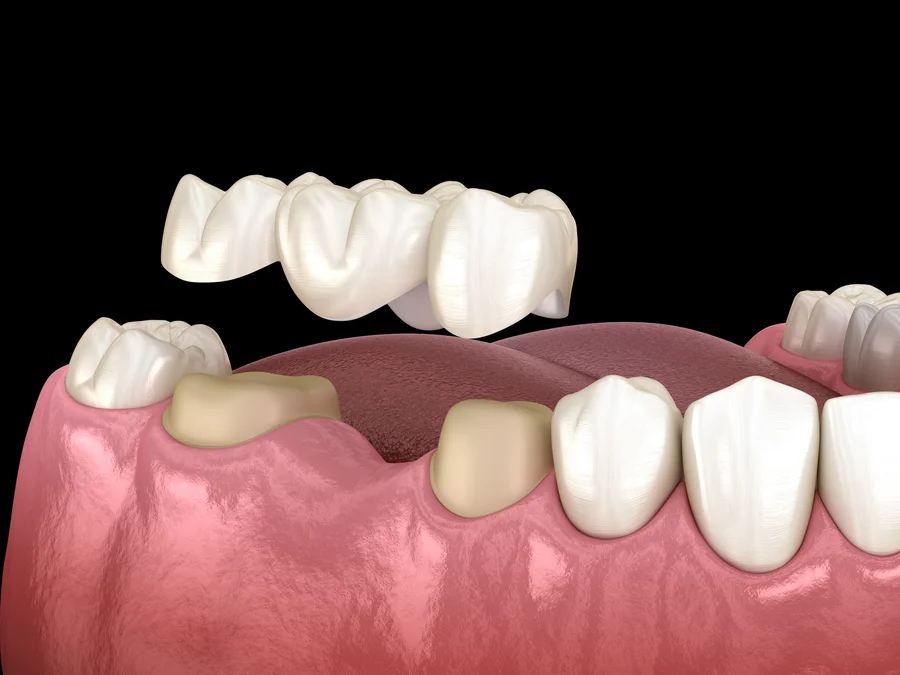
According to the American Dental Association, a bridge works by anchoring artificial teeth, called pontics, to the natural teeth on either side of a gap, so those abutment teeth need a little time to settle under the new load. Rushing back to tough, chewy meals too soon puts pressure on that bond before it has fully adjusted.
National data from the CDC’s National Center for Health Statistics shows that 12.9% of adults aged 65 and older in the United States have lost all of their natural teeth, which is part of why restorations like bridges carry so much weight for everyday function, not just appearance.
Anyone considering a bridge dental in Charleston, SC, for that reason, or even for a single missing tooth, gets a fixed option that does not require removal for cleaning, unlike a partial denture.
Foods Worth Setting Aside at First
- Caramels, taffy, and other sticky candies
- Whole apples or carrots, unless chopped into smaller pieces
- Ice cubes and hard pretzels
- Tough cuts of steak or jerky
- Unpopped kernels at the bottom of the popcorn bowl
When Do Normal Meals Come Back?
Most patients are back to their regular diet within about a week, once any soreness around the abutment teeth has settled. Because a bridge depends on the same crowns and bridges work that supports the surrounding teeth, giving that area time to adjust protects the whole restoration rather than just the new pontic.
If your neighboring teeth are not strong enough to anchor a bridge safely, a dental implant may be a better long-term option. Your dentist can walk you through which route makes sense for your mouth before you commit to either one.
Keeping Your Bite Comfortable for Years, Not Months
A well-cared-for bridge can last well over a decade. Floss threaders or a water flosser help clear food particles from underneath the pontic, an area that traditional floss cannot reach on its own. Pair that habit with our tooth care guidance at home, and you lower the odds of decay forming around the abutment teeth, which is the most common reason a bridge needs early repair.
Beyond home care, exploring the full range of bridge options available can help you understand which design best matches your bite before treatment even begins. It is one more reason a bridge dental in Charleston, SC, should start with a conversation, not a guess.
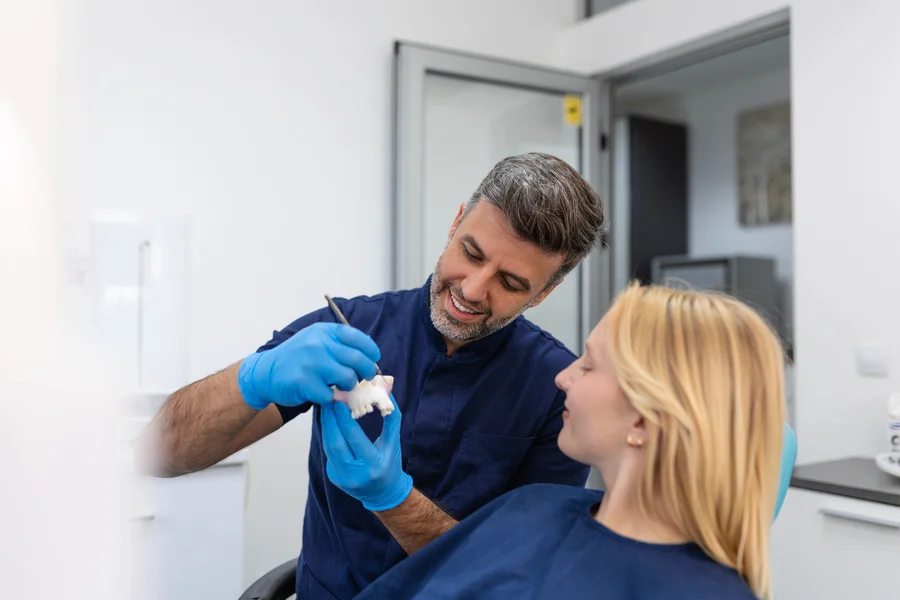
Ready for a Confident Bite? Schedule Your Visit for a Bridge Dental Charleston, SC
Eating normally again should not feel like a guessing game. With the right bridge and a short adjustment period, most patients get there faster than they expect.
If you are ready to explore a bridge dental in Charleston, SC, that fits your lifestyle and your smile, North Rivers Dental invites you to contact us and set up a consultation, whether you are weighing your first restoration or replacing one that has run its course.